Ampact East-Central Regional Summit
Miscellaneous Links / Resources
Why is Self-Improvement Hard?
“Part of the issue is everyone wants to improve, but nobody wants to destroy. Change often requires destruction. Or, at least, unlearning.
Let's call it gentle elimination. You may have to leave little habits, update current beliefs, eliminate comfortable patterns. When you want better outcomes, your daily norms may need to change. The process of improvement is not just about adding things you like.
Sometimes habits and patterns belong to who you were, not who you are trying to be. If you'd like something better, then a routine you are comfortable with may have to be removed.” — James Clear
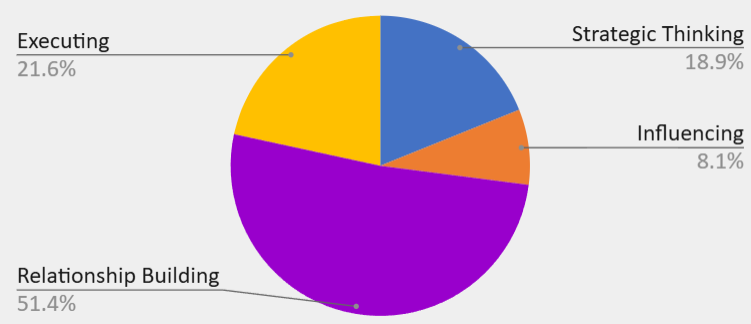
CliftonStrengths Information
Things to Look Out For (Possible Blind Spots)
When Relationship Building dominates, a team's default instinct is to protect the peace, sometimes at the expense of progress. Keep an eye out for these three risks:
Artificial Harmony & Conflict Avoidance: Because themes like Harmony, Empathy, and Relator value smooth interactions, team members may suppress dissenting opinions to avoid rocking the boat. This can lead to groupthink and unresolved, under-the-surface friction.
Slow Decision-Making: Themes like Includer and Consensus-seeking behaviors mean the team will want everyone’s input before moving forward. For a large group, trying to make everyone happy can hinder progress.
Sacrificing Accountability for Comfort: When a colleague misses a deadline, a Relationship Builder's default response is often empathy ("They've been under so much stress lately") rather than objective accountability. Performance issues can get smoothed over rather than resolved.
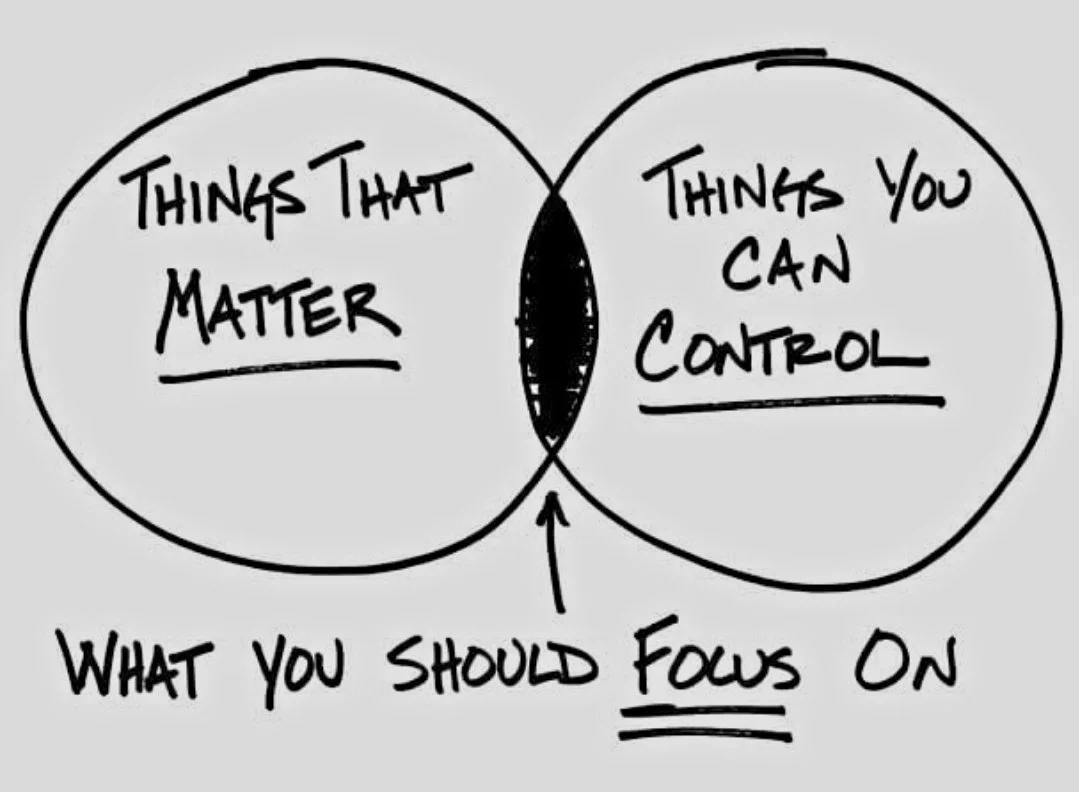
Time/Self Management Books
Four Thousand Weeks by Oliver Burkeman
Essentialism by Greg McKeown
Effortless by Greg McKeown
The One Thing by Gary Keller
Atomic Habits by James Clear
The Power of Habit by Charles Duhigg
The Way of Excellence by Brad Stullberg
Deep Work by Cal Newport
Slow Productivity by Cal Newport
The 7 Habits of Highly Effective People by Stephen Covey
“It's not my fault," may or may not be true, but it does not always mean you are powerless when it comes to fixing it.
Quit complaining and get started fixing it!
Quotes for Reflection
Highly focused people do not leave their options open. They select their priorities and are comfortable ignoring the rest. If you commit to nothing, you’ll be distracted by everything.
The difference between busy and productive is that busy people do 20 things. Productive people do 3 important things well. Busy is easy. Focus is hard.
There's a world of difference between moving and moving forward. Busy people chase tasks. Focused people chase impact.
You don't improve your life by doing more. You improve it by doing less of what doesn't matter.
In the long run, prioritization beats efficiency.